
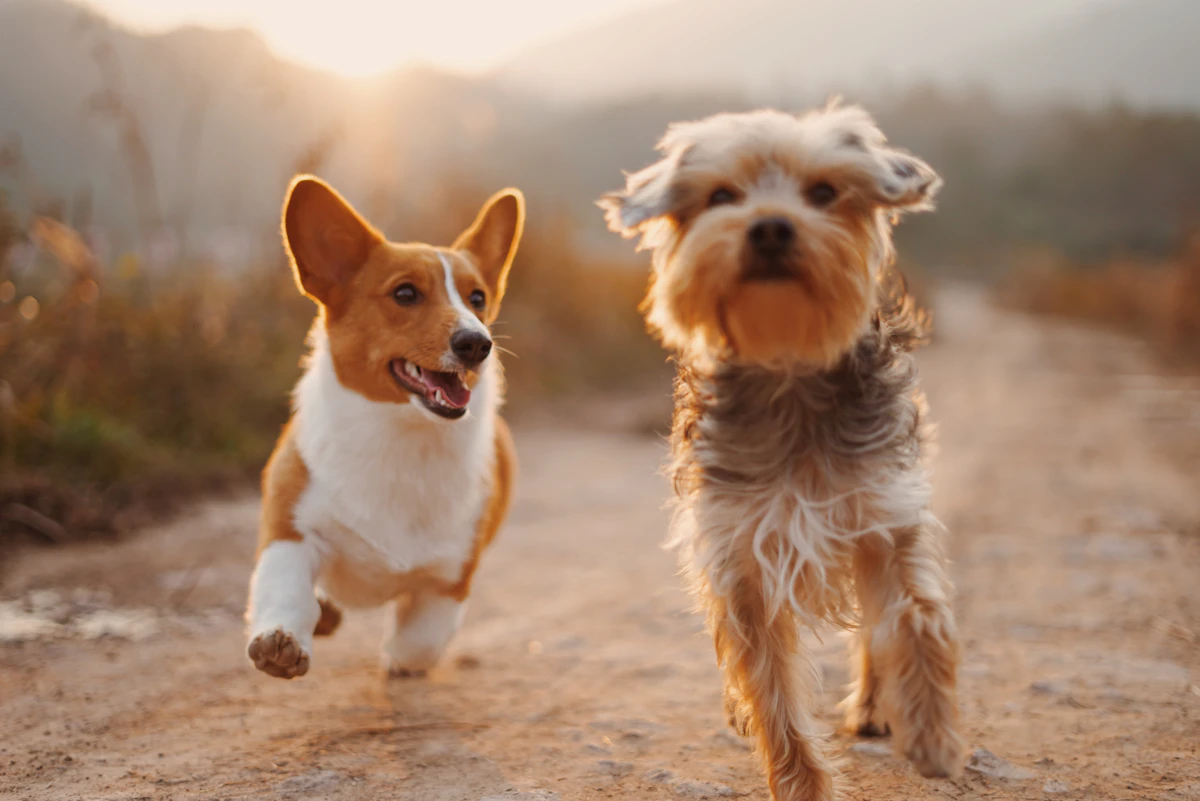
Comprehensive protocol for easing distress when you leave home. Includes departure desensitization, enrichment toys, and calming techniques. Every canine owner encounters unique behavioral, nutritional, and physical milestones during their dog's life. Understanding the biological mechanisms and psychological motivators behind overcoming separation anxiety: helping your dog feel safe alone is essential for building a lasting, trusting partnership with your pet.
In this comprehensive guide, our expert editorial team led by Dr. Clara Evans (Certified Canine Behaviorist & DVM) breaks down the proven science, step-by-step implementation protocols, equipment selection, common owner mistakes, and frequently asked questions surrounding Overcoming Separation Anxiety: Helping Your Dog Feel Safe Alone.
Core Takeaways & Summary
- Desensitize departure cues like picking up keys, opening door handles, or putting on coats without leaving.: Desensitize departure cues like picking up keys, opening door handles, or putting on coats without leaving.
- Build alone-time stamina in tiny increments starting from 5-second absences.: Build alone-time stamina in tiny increments starting from 5-second absences.
- Avoid emotional, high-energy greetings or departures—keep entrances and exits calm and matter-of-fact.: Avoid emotional, high-energy greetings or departures—keep entrances and exits calm and matter-of-fact.
- Consider professional assistance or veterinary calming aids for severe panic cases.: Consider professional assistance or veterinary calming aids for severe panic cases.
1. Scientific Background & Core Principles of Overcoming Separation Anxiety
Canine anatomy, neurology, and evolutionary history dictate how dogs process physical stimulation, stress signals, and learning environments. When addressing overcoming separation anxiety: helping your dog feel safe alone, we must first examine what occurs biologically in your dog's mind and body.
Dogs interpret the world primarily through scent, auditory markers, and kinetic movement. When pet owners experience friction in areas like Separation Anxiety, Desensitization, Calm Routine, Canine Health, it is rarely due to spite, stubbornness, or dominance. Instead, dogs respond directly to immediate environment reinforcers, instinctual drives, or physical discomfort.
Modern veterinary research published by leading institutions confirms that force-free positive reinforcement creates stronger neural pathways for long-term retention compared to punitive corrections. By rewarding desirable choices immediately when they occur, you activate your dog's dopamine system, turning daily training or care routines into an exciting, cooperative game.
"Successful canine care relies on three non-negotiable pillars: environmental management, crystal-clear marking of correct behaviors, and unshakeable handler consistency." — Dr. Clara Evans, Certified Canine Behaviorist & DVM
2. Step-by-Step Implementation Guide for Overcoming Separation Anxiety
To achieve real, sustainable results with Overcoming Separation Anxiety: Helping Your Dog Feel Safe Alone, follow this structured 5-step action plan designed for real-world home application:
-
Step 1: Environmental Audit & Baseline Assessment
Before introducing new cues, gear, or routines, evaluate your dog's current environment. Identify hidden triggers such as high noise levels, slippery flooring, overstimulating window views, or improper feeding schedules that may be elevating your dog's resting cortisol levels.
-
Step 2: Equipment & Reward Preparation
Gather high-value motivators tailored specifically to your dog's preferences. For food-motivated canines, use soft, aromatic treats like freeze-dried beef liver or cooked poultry cut into small pea-sized pieces. For toy-driven dogs, keep a dedicated tug or squeaker toy reserved exclusively for training breakthroughs.
-
Step 3: Low-Distraction Micro-Sessions
Begin practicing in a quiet room at home where your dog feels completely safe and focused. Limit initial training or acclimation sessions to 3 to 5 minutes, 2 to 3 times per day. Short, joyful sessions yield far better neural retention than long, exhausting marathons.
-
Step 4: Gradual Distraction & Duration Progression
Once your dog achieves an 80% success rate in a quiet environment, slowly introduce mild real-world distractions—such as practicing in the backyard, front porch, or during quiet park strolls. If your dog struggles, simply decrease the criteria or step back one level.
-
Step 5: Household Consistency & Real-World Generalization
Ensure all family members, dog walkers, and caregivers use the exact same verbal cues, hand gestures, and reward timing rules. Consistency across all handlers prevents confusion and accelerates long-term habit formation.
Pro Tip from Dr. Clara Evans
Always end every single training or care session on a victorious note! If your dog performs a fantastic rep or shows calm compliance, give a generous jackpot reward of 3-4 treats in a row and end the session while enthusiasm remains high.
3. Essential Gear & Recommended Tools
Having the proper tools simplifies implementation and ensures your dog's safety throughout the process:
- High-Reward Treat Pouch: A quick-draw magnetic treat bag attached to your waist allows split-second reward delivery within the critical 1-second marker window.
- Ergonomic Harness or Lead: Select Y-shaped harnesses or comfortable 6-foot nylon leashes that preserve shoulder joint mobility without choking sensitive neck airways.
- Enrichment Puzzles & Kongs: Durable rubber chew toys, puzzle feeders, and snuffle mats provide vital mental calming channels after training sessions.
- Clicker or Event Marker: A standard clicker or consistent verbal marker word ('YES!') bridges the precise moment your dog performs the target action.
4. Common Mistakes Dog Owners Must Avoid
Watch out for these four widespread mistakes that often derail progress during Overcoming Separation Anxiety: Helping Your Dog Feel Safe Alone:
- Moving Too Fast (Criteria Lumps): Expecting your dog to perform flawlessly around heavy distractions before mastering basic mechanics in a quiet living room.
- Inconsistent Verbal Cues: Using different words (e.g. saying 'down', 'sit down', and 'off' interchangeably) which confuses canine comprehension.
- Expressing Frustration or Yelling: Raising your voice elevates your dog's stress hormones, leading to shutdown behaviors or defensive reactivity.
- Punishing Past Behaviors: Correcting a dog after an event has passed—dogs associate feedback only with what they are doing at the exact moment of the reward or consequence.
5. Frequently Asked Questions (FAQ)
Q1: How long does it typically take to see measurable results with Overcoming Separation Anxiety?
A: Most dog parents notice positive changes within 7 to 14 days of consistent daily practice. However, deeply ingrained habits or fear-based behaviors may require 4 to 8 weeks of steady desensitization and counterconditioning.
Q2: What should I do if my dog completely loses focus during training?
A: Loss of focus indicates that the environment is too overwhelming, the session has gone on too long, or the treat value is insufficient. Instantly increase distance from distractions, upgrade to higher-value food, and keep sessions under 3 minutes.
Q3: When should I consult a professional certified trainer or veterinarian?
A: If your dog displays severe fear, lunging aggression, sudden medical pain, or rapid weight loss, consult a certified veterinary behaviorist (DACVB) or IAABC professional for a comprehensive medical and behavioral triage.
6. Final Thoughts & Next Steps
Building flawless habits with overcoming separation anxiety: helping your dog feel safe alone is a continuous journey of mutual growth and bonding. By maintaining empathy, celebrating incremental progress, and following science-backed force-free methods, you give your canine companion the best foundation for a happy, healthy life.
Explore our related guides below or bookmark this article in your reading list to review key training steps whenever you need a quick refresher!